Beyond the Pelvis: The Top 5 Endometriosis Comorbidities and What They Mean for Black Health
For decades, a dangerous myth persisted in the halls of medical institutions: that endometriosis was primarily a disease of affluent, young white women. This historical misconception, born out of flawed mid-20th-century clinical literature that conflated private healthcare access with racial prevalence, has left a devastating legacy. For Black women and individuals assigned female at birth (AFAB), the reality is starkly different. Not only does endometriosis affect us in equal numbers, but our journey to an accurate diagnosis is routinely marred by systemic biases, clinical neglect, and prolonged suffering.
On average, it takes an astonishing seven to ten years to receive an endometriosis diagnosis across the general population. However, for Black patients, this timeline is frequently extended even further as symptoms are misattributed to Pelvic Inflammatory Disease (PID), hyper-sexualized pathologies, or dismissed entirely due to deeply rooted disparities in clinical pain assessment.
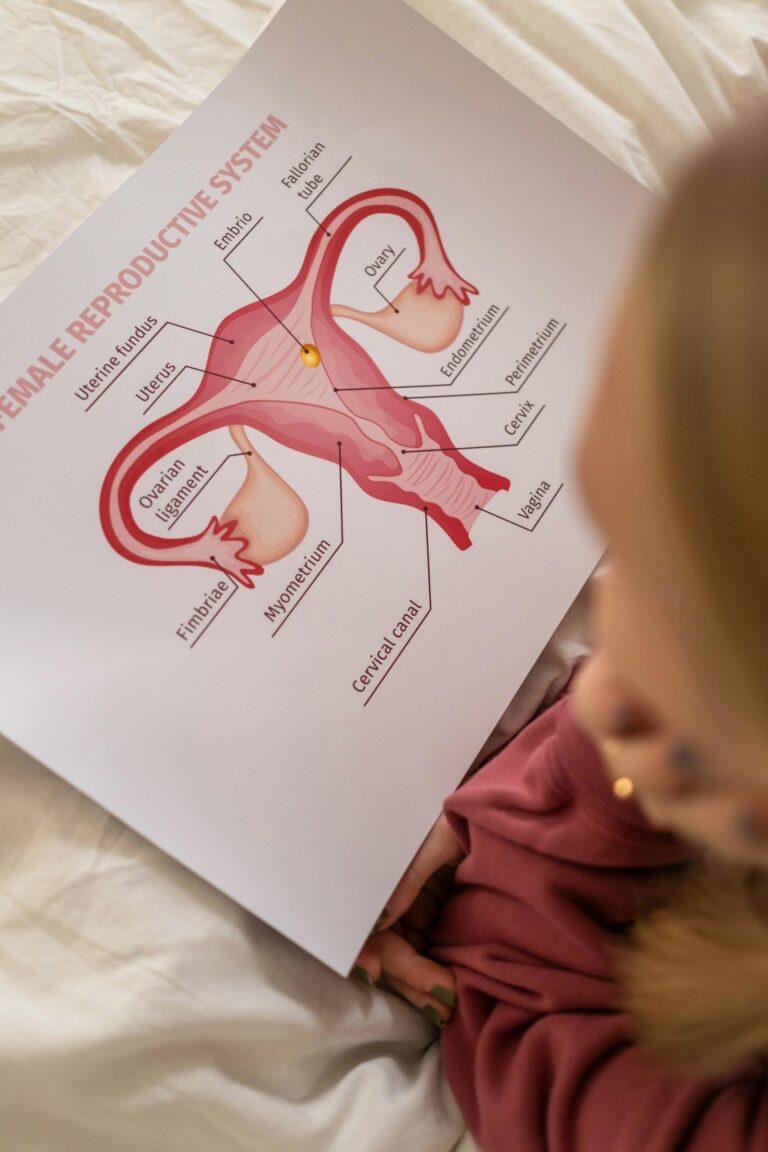
Yet, viewing endometriosis strictly as a “reproductive issue” or a severe case of “period cramps” does a profound disservice to the millions navigating its daily impact. Endometriosis is a complex, systemic, chronic inflammatory condition where tissue resembling the lining of the uterus grows outside the uterine cavity—frequently embedding on the ovaries, fallopian tubes, pelvic ligaments, bowels, bladder, and even distant anatomical structures like the diaphragm.
Understanding Endometriosis Comorbidities
Because of its systemic nature, endometriosis rarely acts in isolation. It is frequently accompanied by endometriosis comorbidities—co-occurring medical conditions that share underlying inflammatory, genetic, or immunological pathways. For the Black community, understanding these comorbidities is crucial. It fundamentally changes how we advocate for ourselves in examination rooms, influences our therapeutic choices, and empowers us to demand comprehensive, multidisciplinary care rather than surface-level treatments.
Here are the top five endometriosis comorbidities, their biological mechanisms, and their unique intersections with Black health.
1. Uterine Fibroids (Leiomyomas)
When discussing reproductive wellness within the Black community, uterine fibroids often dominate the clinical and cultural conversation. Statistically, Black women are disproportionately impacted by fibroids; empirical research indicates that up to 80% of Black women will develop these benign uterine tumors by age 50. Furthermore, Black patients are significantly more likely to experience fibroids at younger ages, with larger tumor volumes, and with more severe clinical symptoms.
Because fibroids are incredibly prevalent and easily visualized via standard pelvic ultrasound, they present a massive diagnostic hurdle for Black individuals with co-occurring endometriosis through a phenomenon known as “diagnostic masking.” When a Black woman presents to her gynecologist with debilitating pelvic pain, severe dysmenorrhea (painful periods), and heavy menstrual bleeding, a standard transvaginal ultrasound is performed. It reveals several distinct fibroids. Too often, the clinical investigation stops right there. The provider attributes 100% of the clinical presentation to the visible fibroids, completely missing the superficial peritoneal or deep infiltrating endometriosis lesions hiding elsewhere in the pelvic cavity.
While fibroids grow within the muscular wall or cavity of the uterus, endometriosis grows entirely outside of it. If a patient undergoes a myomectomy (fibroid removal) or a hysterectomy, but her extra-uterine endometriosis is left untouched, her chronic pain will persist post-recovery. Recognizing that fibroids and endometriosis frequently co-exist is vital to ensuring that surgical interventions address both diseases concurrently.
2. Adenomyosis
Frequently referred to as the “sister condition” to endometriosis, adenomyosis occurs when the tissue that normally lines the uterus (the endometrium) invades the muscular wall of the uterus (the myometrium). While endometriosis escapes the uterine boundaries entirely, adenomyosis thickens and structuralizes within the uterine muscle itself. Despite this anatomical difference, the two conditions are highly comorbid, with studies suggesting that a significant percentage of patients with laparoscopically confirmed endometriosis also suffer from adenomyosis.
The combination of both conditions creates a compounding layer of pelvic agony. Adenomyosis causes a distinctively “boggy,” globally enlarged, and hyper-vascular uterus, leading to deep, radiating pelvic pain, severe lower back pain, and heavy, prolonged menstrual cycles characterized by large blood clots.
For Black women, the clinical management of comorbid adenomyosis is fraught with historical and systemic challenges. When faced with a patient suffering from both conditions, many general gynecologists quickly suggest a hysterectomy as a definitive cure-all. However, while a hysterectomy treats adenomyosis, it does not cure endometriosis, which exists outside the uterus.
Historical data demonstrates that Black women are systematically offered hysterectomies at higher rates and at younger ages than their white peers, often without being presented with organ-sparing alternatives or comprehensive laparoscopic excision surgery for their endometriosis. Understanding adenomyosis helps patients untangle where their pain originates and make highly informed decisions regarding fertility preservation and surgical options.
3. Autoimmune Diseases (Lupus, Rheumatoid Arthritis, and Hashimoto’s)
While endometriosis has historically been categorized strictly as a gynecological condition, a growing mountain of scientific evidence points to it being an immunologically driven systemic disease. Endometriosis is characterized by a malfunctioning peritoneal immune response that fails to recognize, neutralize, and clear ectopic endometrial tissue from the pelvic cavity. Instead, the body develops a localized and systemic state of chronic inflammation, featuring altered cytokine profiles and hyper-active macrophages. This immune dysregulation creates a highly favorable environment for the development of classic autoimmune diseases.
Large-scale epidemiological cohorts have confirmed that individuals with endometriosis are at a significantly higher risk of developing autoimmune conditions such as Systemic Lupus Erythematosus (Lupus), Rheumatoid Arthritis (RA), Sjogren’s syndrome, and Hashimoto’s thyroiditis.
This link is particularly critical for Black women, who are three times more likely to develop Lupus than white women, often experiencing it at an earlier age and with more severe, life-threatening multi-organ complications. When a Black patient battles both endometriosis and an autoimmune disorder, her body is trapped in a continuous loop of immune hyper-reactivity. Symptoms like profound, unrelenting fatigue, widespread joint pain, and systemic inflammation overlap significantly, making it difficult to discern which condition is flaring. Acknowledging this connection means that a patient’s care team must expand beyond the gynecologist’s office to include rheumatologists and immunologists who treat the body as an interconnected system.
4. Irritable Bowel Syndrome (IBS) and Gastrointestinal Disorders
Gastrointestinal distress is one of the most common, yet frequently misunderstood, manifestations of endometriosis. Many patients colloquially reference “endo belly”—the severe, painful, and sudden abdominal bloating that makes an individual look months pregnant by the end of the day. However, the biological connection goes far deeper than visual bloating. Endometriosis frequently implants directly on or near the bowels, the rectovaginal septum, and the appendix, leading to symptoms that closely mirror gastrointestinal disorders.
As a result, Irritable Bowel Syndrome (IBS) is one of the top comorbidities and misdiagnoses associated with endometriosis. Patients experience cyclical diarrhea, constipation, painful bowel movements (dyschezia), and severe abdominal cramping that intensifies dramatically during their menstrual periods.
For Black women, being misdiagnosed with IBS or generic dietary issues is a common form of medical gaslighting. They may spend years bouncing between primary care doctors and gastroenterologists, undergoing colonoscopies that come back “normal,” and being told to modify their diets, while the true culprit—endometriosis lesions pulling on their intestines or causing localized pelvic adhesions—remains completely unaddressed. When gastrointestinal symptoms are cyclical and worsen in tandem with menstruation, it is a glaring red flag that the issue is an inflammatory process driven by endometriosis rather than a simple food intolerance.
5. Mental Health Conditions (Anxiety and Depression)
The burden of living with a chronic, invisible, and agonizing disease takes a severe toll on psychological well-being. Chronic pelvic pain physically alters central nervous system processing over time, leading to central sensitization—a state where the nervous system’s amplification mechanisms turn up the volume on pain signals. This neurological shift, combined with the profound social, relational, and financial strain of managing the disease, explains why anxiety and clinical depression are major comorbidities of endometriosis.
For Black women, the psychological impact is heavily magnified by systemic barriers and cultural expectations. Navigating a healthcare system that routinely minimizes Black pain—a disparity documented by studies showing Black patients are less likely to receive adequate pain management—induces profound medical trauma and systemic anxiety. The constant, exhausting need to fight for basic medical recognition leads to clinical burnout and feelings of hopelessness.
Furthermore, within many Black spaces, cultural expectations to embody the “Strong Black Woman” trope create a harmful environment where vulnerability is discouraged, and talking openly about debilitating menstrual pain or mental health struggles is stigmatized. Accessing culturally competent mental health care is often challenging due to insurance disparities and a critical shortage of Black providers who understand the specific intersection of reproductive trauma and chronic pain. Addressing endometriosis must involve healing the psychological wounds inflicted by both the disease and the healthcare system.
Conclusion: Moving Toward Comprehensive Healing
Endometriosis is not an isolated pelvic disease; it is a full-body condition that requires a holistic, systemic approach to care. For the audience of The Black Cervix, understanding that uterine fibroids, adenomyosis, autoimmune diseases, gastrointestinal issues, and mental health struggles are deeply intertwined with endometriosis is a powerful step toward reclaiming health autonomy.
When navigating the healthcare system, remember that you are the primary expert on your own body. If your current therapeutic plan for one condition is leaving your other symptoms completely unaddressed, it is time to seek a comprehensive, multidisciplinary care team. This team should ideally include:
- An advanced endometriosis laparoscopic excision specialist (rather than a general OB/GYN who relies solely on ablation or birth control).
- A pelvic floor physical therapist (PFPT) to address pelvic muscle guarding and hypertonicity.
- A gastroenterologist who understands the pelvic-gut connection.
- A culturally competent mental health professional to help navigate chronic pain and medical trauma.
By dismantling the myth that our pain is normal or that our symptoms exist in disconnected silos, we can break down the historical barriers to accurate diagnosis, demand thorough care, and build a community where Black reproductive health is prioritized, validated, and healed.
Read more about endometriosis ahere: www.theblackcervix.com/blog
Additional Resources: