Post Pill Amenorrhea: Understanding the Transition and Restoring Ovulation
Deciding to discontinue hormonal birth control is a major milestone in taking ownership of your body. Whether you are transitioning off the pill to conceive, manage side effects, or simply reconnect with your natural cycle, the expectation is usually straightforward: stop taking the pill, experience a brief withdrawal bleed, and resume regular monthly menstruation.
However, for thousands of women, months pass after popping that final pill without a period in sight. This condition—known clinically as post pill amenorrhea—can trigger profound anxiety, particularly if you are left wondering whether your reproductive system is functioning properly.
While going up to three months without a period after discontinuing oral contraceptives is a recognized physiological adjustment period, persistent lack of menstruation signals that your brain and ovaries are struggling to re-establish their natural feedback loops. Understanding why post pill amenorrhea happens, how synthetic hormones impact nutrient reserves, and how to differentiate temporary transition delays from unmasked underlying conditions is essential for restoring your natural cycle.
The Root Cause: Why Your HPO Axis Stalls
To understand post pill amenorrhea, it helps to look at how hormonal birth control works in the first place. Combined oral contraceptive pills contain synthetic forms of estrogen (such as ethinyl estradiol) and progestin. These synthetic hormones maintain flat, artificial hormone levels in your bloodstream throughout the month.
This steady supply sends a continuous signal to your brain to shut down the Hypothalamic-Pituitary-Ovarian (HPO) Axis—the core command line governing women’s hormones and health. By suppressing the release of Gonadotropin-Releasing Hormone (GnRH) from the hypothalamus and Follicle-Stimulating Hormone (FSH) and Luteinizing Hormone (LH) from the pituitary gland, birth control prevents ovarian follicles from maturing and stops ovulation from occurring. The “period” you experience on the pill is not a true physiological period; it is merely a chemical withdrawal bleed caused by taking sugar/placebo pills for seven days.
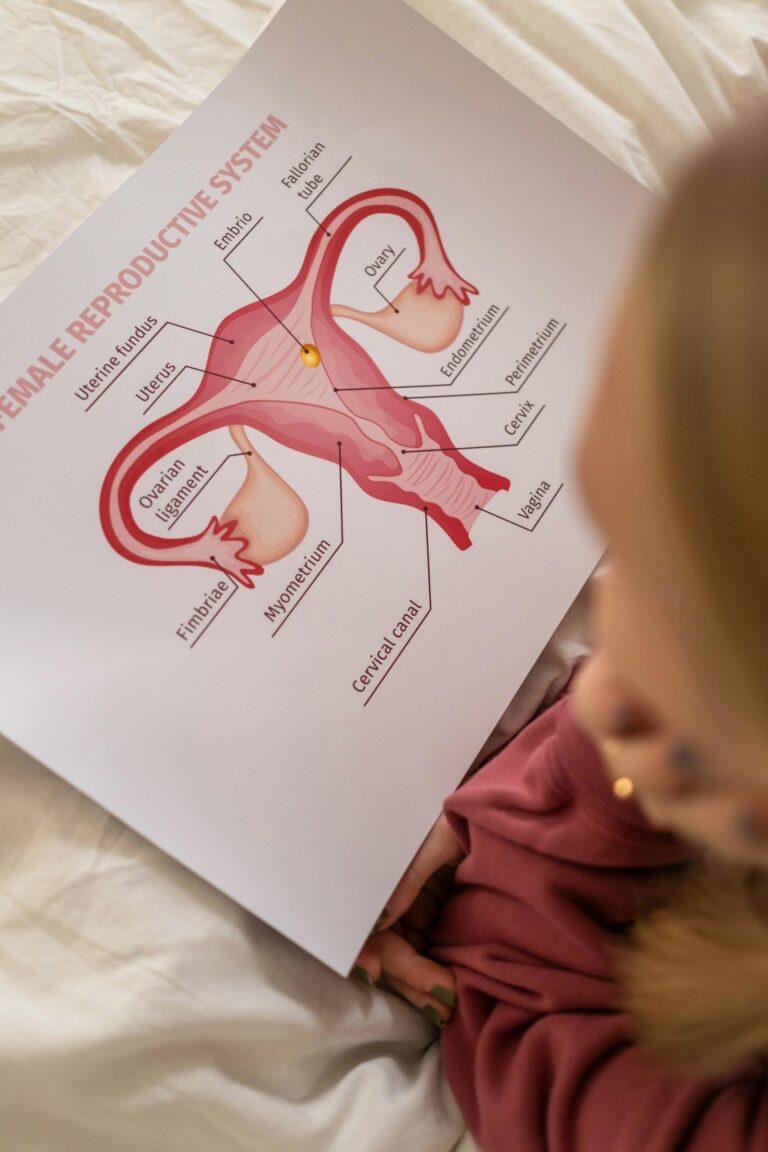
When you stop taking birth control, your body must wake up an HPO axis that may have been dormant for years or even decades. The hypothalamus must resume sending rhythmic pulses of GnRH, the pituitary gland must produce sufficient FSH and LH, and the ovaries must respond by maturing a follicle, producing natural estradiol, and triggering ovulation. If any leg of this communication line hesitates, post pill amenorrhea occurs.
Nutritional Depletion and Rebound Androgen Surges
The transition off birth control involves more than just neurological signaling; synthetic hormones also exert metabolic demands on the body that can delay cycle recovery.
1. Birth Control-Induced Nutrient Depletion
Research published in the European Review for Medical and Pharmacological Sciences confirms that oral contraceptives significantly deplete critical micronutrients required for hormone synthesis and hepatic metabolism:
- B-Complex Vitamins (B2, B6, Folate, B12): Vitamin B6 is essential for progesterone synthesis and corpus luteum function, while Folate and B12 drive cellular division in developing ovarian follicles.
- Zinc: Crucial for follicle development, egg quality, and regulating testosterone conversion.
- Magnesium: Supports insulin sensitivity and regulates the stress response system.
- Vitamin C and Vitamin E: Potent antioxidants that protect delicate ovarian tissue from oxidative stress.
When your body lacks these foundational building blocks, synthesizing natural steroid hormones and initiating ovulation becomes significantly more difficult.
2. Rebound Androgen Surges and Post-Pill Acne
While on birth control, synthetic estrogen stimulates your liver to produce high levels of Sex Hormone-Binding Globulin (SHBG), a protein that binds to circulating testosterone. When you discontinue the pill, SHBG levels drop rapidly, while your ovaries and adrenal glands may temporarily overproduce androgens in a “rebound” effect.
This transient androgen surge often causes post-pill acne, oily skin, or mild hair shedding around month two or three. Without adequate progesterone to balance these free androgens, ovulation can remain stalled.
Post Pill Amenorrhea vs. Unmasked Underlying Conditions
According to clinical guidelines from the American College of Obstetricians and Gynecologists (ACOG), a lack of menstruation for up to three months after stopping the pill is considered a temporary post-pill delay. However, if post pill amenorrhea extends beyond 90 days, it is time to investigate whether the pill was masking a pre-existing condition:
1. Unmasked PCOS / PMOS
Many women are originally prescribed birth control in their teens to “regulate” irregular periods, heavy bleeding, or severe acne. However, the pill does not treat the root cause of irregular cycles. If you had underlying metabolic dysfunction prior to starting the pill, those same drivers—explored in our breakdown of PCOS and PMOS—will resurface once synthetic hormones leave your system.
2. Hypothalamic Amenorrhea (HA)
If you are under-eating, adhering to hyper-restrictive low-carbohydrate diets, engaging in high-intensity exercise without adequate caloric replenishment, or experiencing high psychological stress, your hypothalamus interprets these stressors as an unsafe environment for reproduction. The brain deliberately suppresses GnRH release to conserve energy, resulting in amenorrhea.
3. Thyroid Dysfunction and Hyperprolactinemia
Low thyroid hormone output (hypothyroidism) or elevated prolactin levels (the hormone that stimulates milk production) directly disrupt pituitary function, halting LH surges and preventing ovulation.
If you are unsure whether your previous cycles were healthy before starting birth control, review our guide on 5 ways to tell if your period is actually normal.
4 Evidence-Based Steps to Restore Your Cycle
Restoring your natural cycle after post pill amenorrhea requires creating an internal environment that signals safety and vitality to your brain and ovaries.
1. Eat Sufficient Calories and Healthy Fats
Steroid hormones are constructed from cholesterol. Very low-fat or low-calorie diets starve your body of the essential building blocks required to produce estrogen and progesterone. Ensure you eat adequate caloric volume, incorporating healthy fats like avocados, extra virgin olive oil, nuts, seeds, and wild-caught fish.
2. Targeted Micronutrient Replenishment
Work with an evidence-based practitioner to replenish key nutrient reserves:
- Zinc (15–30 mg/day): Supports follicle maturation and balances androgen rebound.
- Vitamin B6 (25–50 mg/day): Enhances the luteal phase and supports natural progesterone production.
- Magnesium Glycinate (300–400 mg/day): Calms nervous system stress and improves cellular insulin sensitivity.
3. Support Liver and Gut Elimination
Your liver processes both endogenous hormones and residual synthetic compounds, while your digestive tract excretes them. Eating cruciferous vegetables, fiber-rich legumes, and supporting your gut microbiome—as detailed in our guide on the estrobolome and estrogen clearance—ensures efficient hormone clearance.
4. Reduce Allostatic Load and Prioritize Sleep
High cortisol levels directly inhibit GnRH pulsation in the hypothalamus. Prioritize 7 to 9 hours of restorative sleep, reduce excessive high-intensity cardio in favor of strength training and walking, and integrate daily stress-management practices.
When to Consult a Medical Provider
If you have experienced post pill amenorrhea for more than 90 days, schedule a comprehensive evaluation with a trusted OB/GYN or reproductive endocrinologist. Request a complete diagnostic blood panel, including:
- FSH and LH: Evaluates pituitary signaling (an LH:FSH ratio higher than 2:1 can indicate underlying PCOS/PMOS).
- Estradiol and Progesterone: Measures baseline ovarian hormone production.
- Total and Free Testosterone, DHEA-S: Evaluates androgen levels.
- TSH and Free T3/T4: Rules out thyroid dysfunction.
- Serum Prolactin: Rules out hyperprolactinemia.
Be cautious of non-accredited providers who try to capitalize on post-pill transition delays by selling expensive “pill detox” packages or unvalidated saliva panels. Protect your time and resources by reviewing our warning guide on red flags in women’s hormonal health care.
Reconnecting with Your Body’s Rhythm
Navigating post pill amenorrhea requires patience, self-compassion, and targeted physiological support. Your body is not broken; it is simply adapting after relying on exogenous hormones for months or years. By replenishing depleted nutrients, fueling your body with adequate energy, and investigating underlying root causes when necessary, you can support your HPO axis and welcome back a healthy, natural menstrual cycle.